The role of stone in luxury architecture is evolving. No longer confined to surfaces or structure alone, it is now central to how spaces feel, function, and endure. In 2026, the shift is clear—design is moving toward authenticity, tactility, and emotional connection, with natural stone at its core.
1. Sculptural Stone Installations
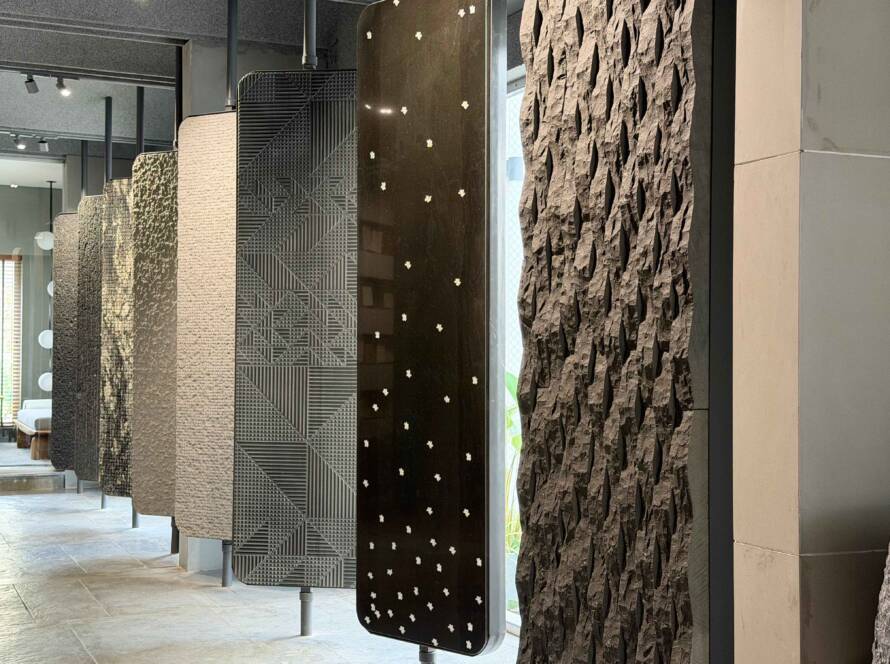
Stone is increasingly being treated as a form of sculpture within architecture. Monolithic blocks, carved walls, and statement islands are replacing flat applications. Designers are using stone to create focal points—pieces that feel intentional and artistic rather than purely functional. This reflects a broader movement where architecture blends with art.
2. Textured & Tactile Finishes
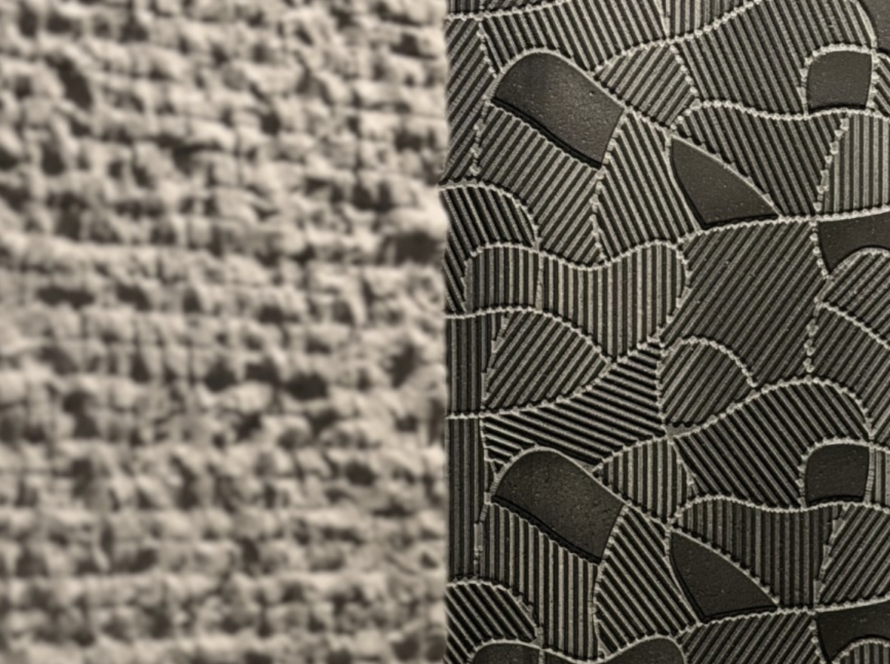
Highly polished surfaces are giving way to more tactile finishes—honed, leathered, flamed, and brushed textures. These finishes interact with light in softer, more dynamic ways, adding depth and warmth. The emphasis is on touch and sensory experience, not just visual appeal.
3. Seamless Stone Applications
A major trend is continuity—using the same stone across floors, walls, countertops, and even furniture. This creates a cohesive, immersive environment where the material defines the entire space. Seamless transitions, especially in kitchens and bathrooms, are becoming a hallmark of high-end design.
4. Warm, Earthy Color Palettes
Cool greys are being replaced by warmer tones—beiges, browns, taupes, and deep earthy hues. These colors create spaces that feel grounded and inviting, aligning with a global shift toward nature-inspired interiors.
5. Celebration of Natural Imperfection
Uniformity is no longer the goal. Designers are embracing veins, fissures, and variations as defining features rather than flaws. Natural stone is valued for its uniqueness—each slab telling a different story, adding authenticity to luxury spaces.
6. Sustainable & Structural Stone Use
Stone is being reconsidered not just as a finish, but as a primary building material. Innovations like engineered and tensioned stone are enabling it to replace more carbon-intensive materials like concrete and steel in certain applications. This positions stone as both a sustainable and future-forward choice.
7. Indoor–Outdoor Continuity
Luxury architecture in 2026 is dissolving boundaries between inside and outside. The same stone is often used across both environments, creating visual flow and a stronger connection to nature. This continuity enhances spatial experience and reinforces material harmony.
8. Craftsmanship-Driven Design
There is a renewed appreciation for handcrafted detail. From carved facades to artisanal finishes, the human touch is becoming more visible in stone applications. This shift reflects a broader return to craftsmanship and material authenticity in design.
Conclusion
In 2026, stone is no longer just a material—it is a medium of expression. It shapes not only the structure of a space but also its emotion, atmosphere, and identity. The focus has moved from perfection to presence, from decoration to experience.
Luxury today is defined not by excess, but by intention—and stone, in all its natural depth, embodies that philosophy.