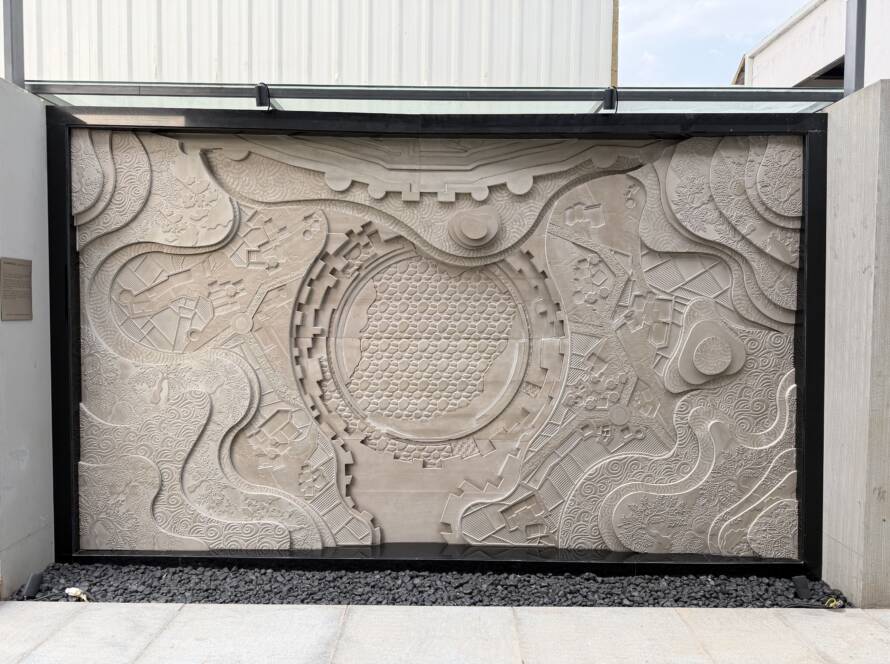
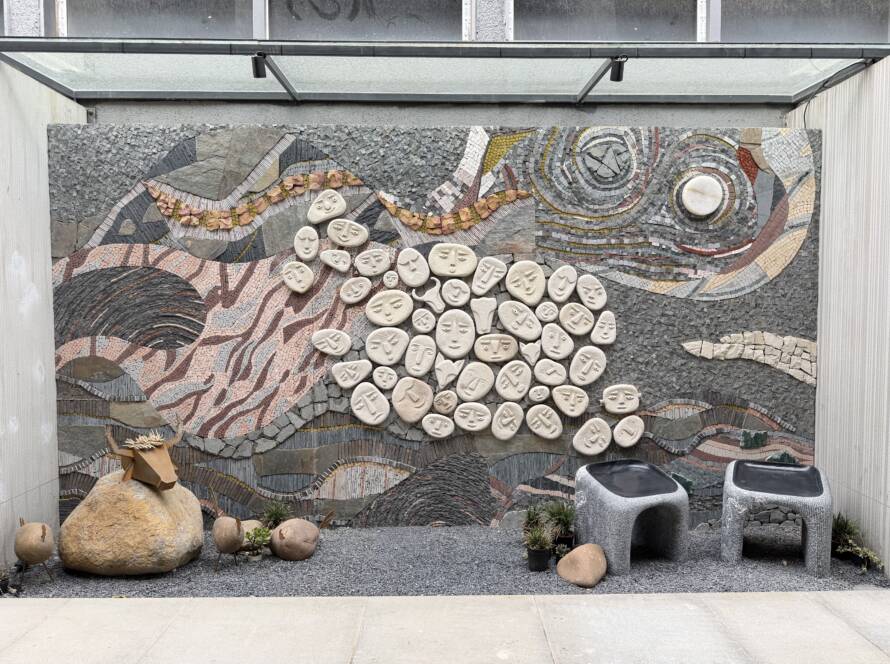
Every piece of natural stone carries the imprint of the land it comes from. Its color, texture, and pattern are not accidental—they are shaped by geology, climate, and time. To understand stone is to understand geography, because each region leaves a distinct signature on the material it produces.
Across India, this diversity is striking. In the south, granites often display deep, rich tones—blacks, browns, and greys—formed under intense heat and pressure. These stones are dense, consistent, and known for their strength. Move west, and you begin to see warmer palettes—beiges, creams, and soft golds—where sedimentary processes havecreated layered textures and subtle variations.
In regions like Rajasthan, marble and sandstone reflect a different story altogether.
Here, mineral composition and ancient seabeds have resulted in softer hues and intricate veining. These stones feel lighter, both visually and physically, making them ideal for spaces that seek elegance without heaviness.

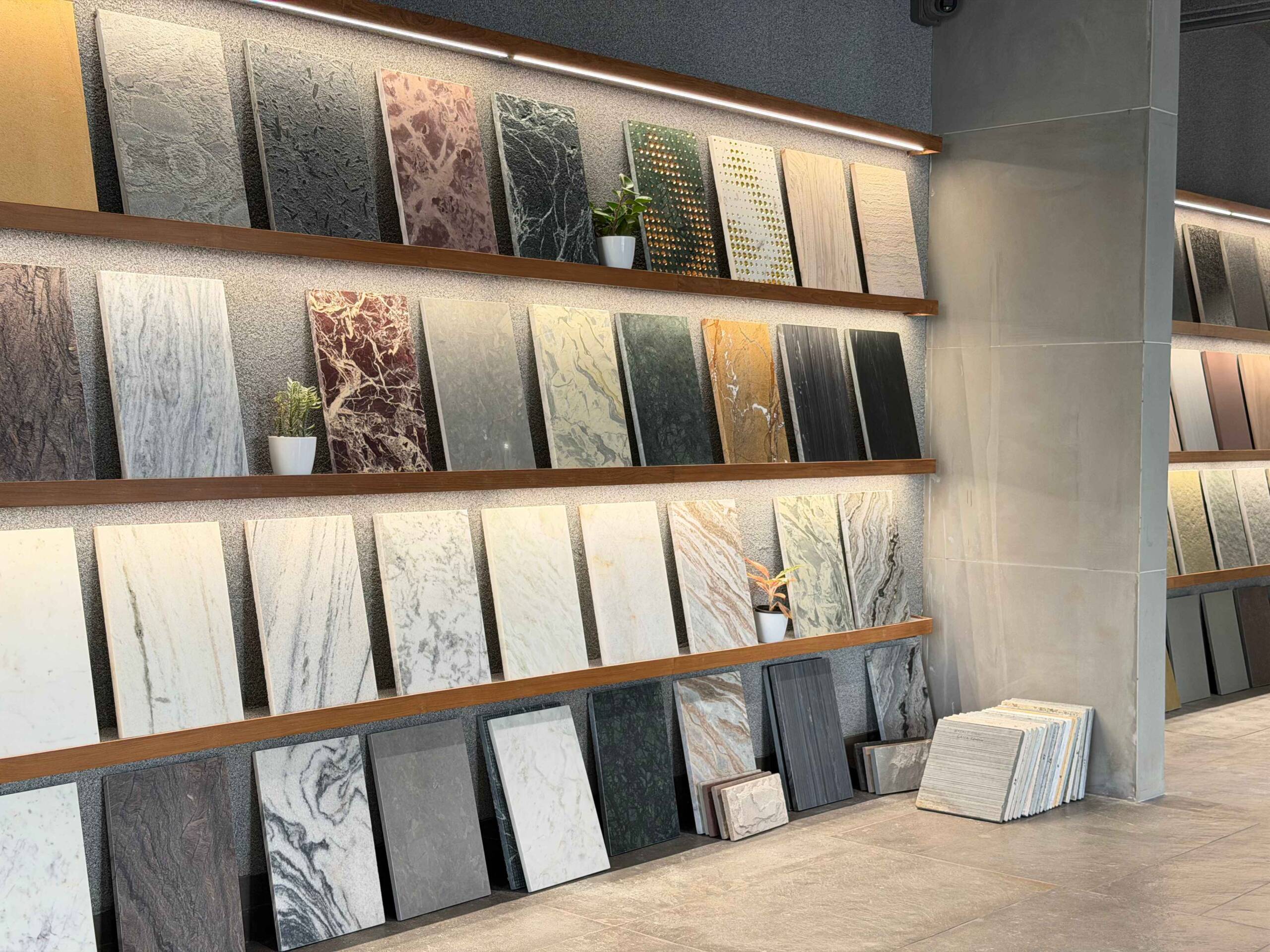
Even within a single category like granite, no two quarries produce the same stone. Factors such as mineral concentration, depth of extraction, and environmental conditions influence the final appearance. This is why a slab sourced from one location may carry bold, dramatic patterns, while another from a different region appears more uniform and restrained.
Climate also plays a role in how stone evolves over time. Exposure to wind, water, and temperature shifts can enhance textures, creating surfaces that feel naturally aged and full of character. These subtle irregularities are what give natural stone its authenticity—they cannot be engineered or replicated.
When designers choose stone, they are not just selecting a material; they are choosing a story rooted in a specific place.
This connection adds depth to a space, making it feel grounded and intentional.
In the end, geography is not just where stone comes from—it is what defines it.