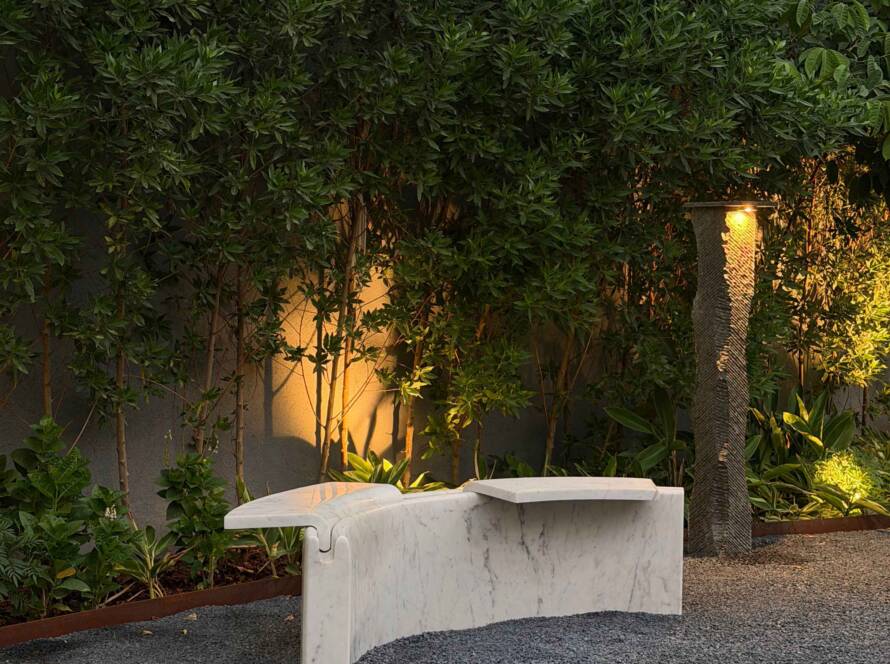
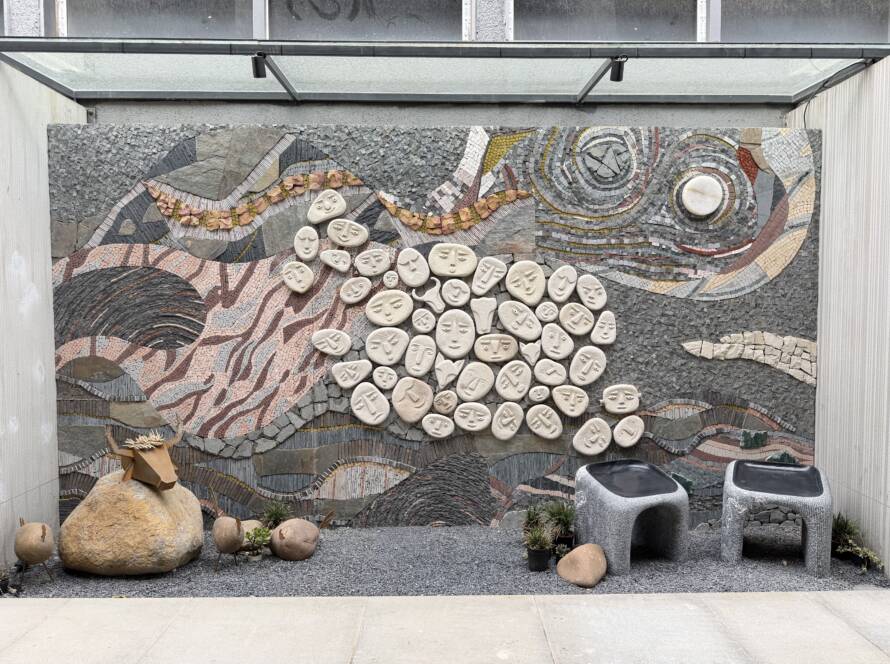
Stone does more than occupy space—it animates it. When treated as art rather than mere material, it introduces depth, rhythm, and a quiet sense of movement that brings interiors and exteriors to life.
Every piece of natural stone carries a narrative shaped over time. Its veins flow like brushstrokes, its textures catch light in subtle variations, and its tonal shifts create a dynamic visual experience. As light changes throughout the day, the same surface reveals different moods—soft in the morning, dramatic by evening. This interaction with light is what gives stone a living quality, allowing spaces to feel responsive rather than static.
Beyond aesthetics, stone influences how a space is perceived and experienced.
A sculpted stone wall can anchor a room, creating a focal point that draws attention without overwhelming it. Curved or carved elements introduce fluidity, softening rigid architectural lines. Even a single monolithic slab, when placed with intention, can evoke a sense of permanence and calm—qualities often associated with timeless design.
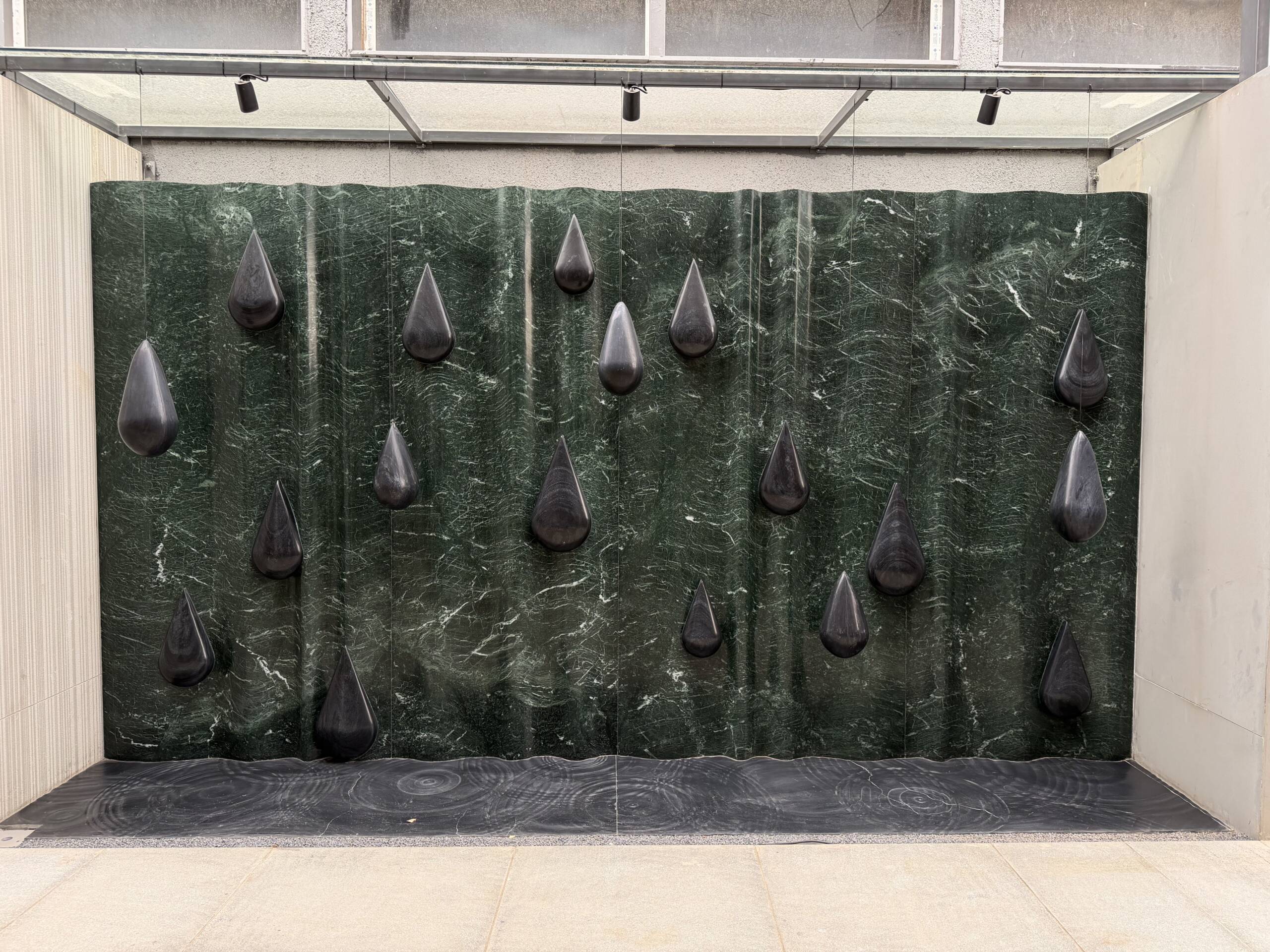
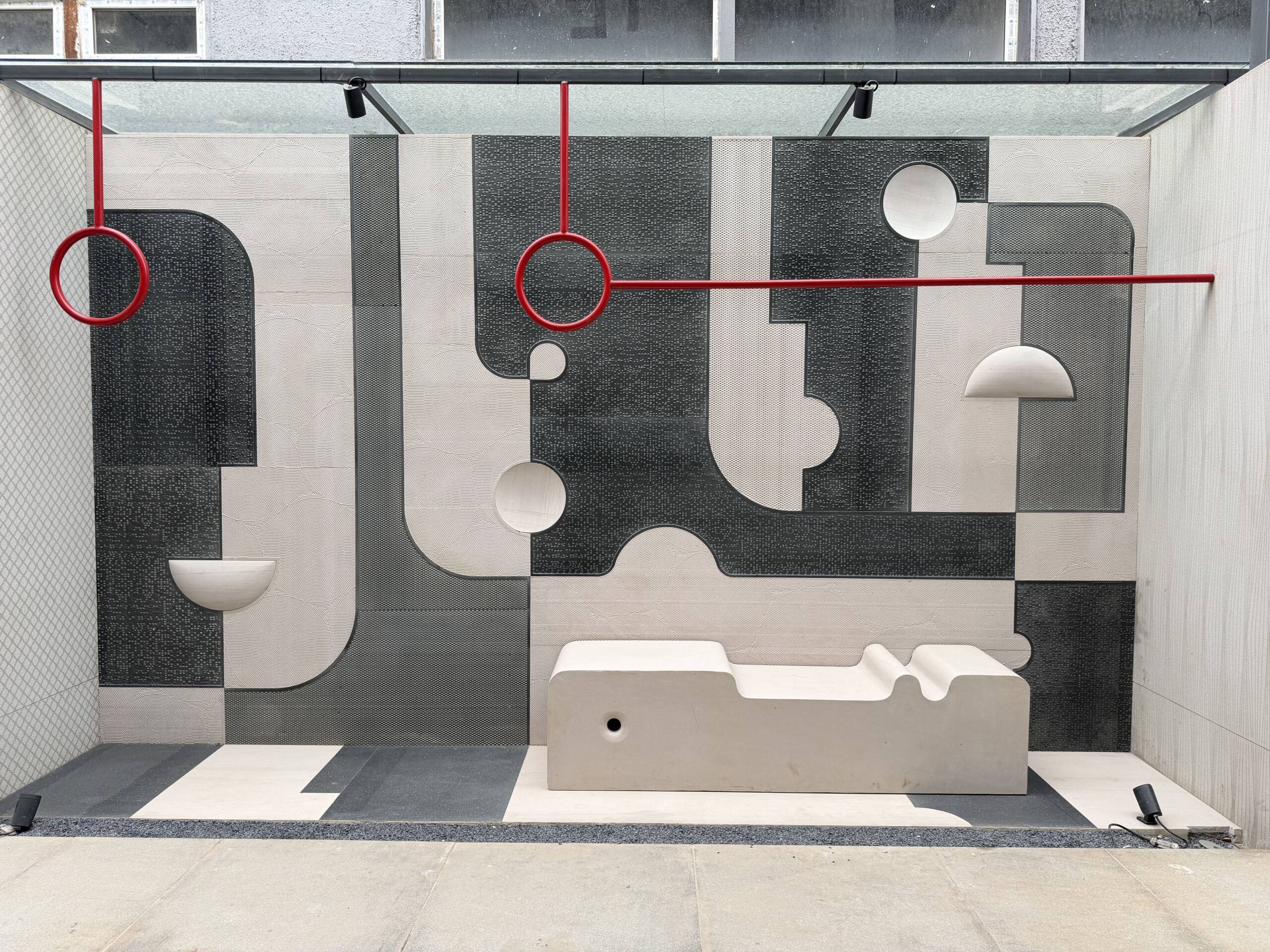
There is also a tactile dimension to stone that contributes to its vitality. Unlike flat, artificial surfaces, natural stone invites touch. Its textures—whether polished, honed, or leathered—engage the senses, making the space feel more immersive. This sensory connection adds warmth and authenticity, countering the sterility often found in overly manufactured environments.
Stone art also brings a sense of grounding. Its natural origin connects the built environment to the earth, creating balance within modern spaces dominated by glass, metal, and synthetic materials.
This balance is subtle but powerful—it makes a space feel complete.
Ultimately, when architecture embraces stone as sculpture, it moves beyond construction into experience. The space begins to breathe, not through motion, but through presence—shaped by material, light, and human interaction.